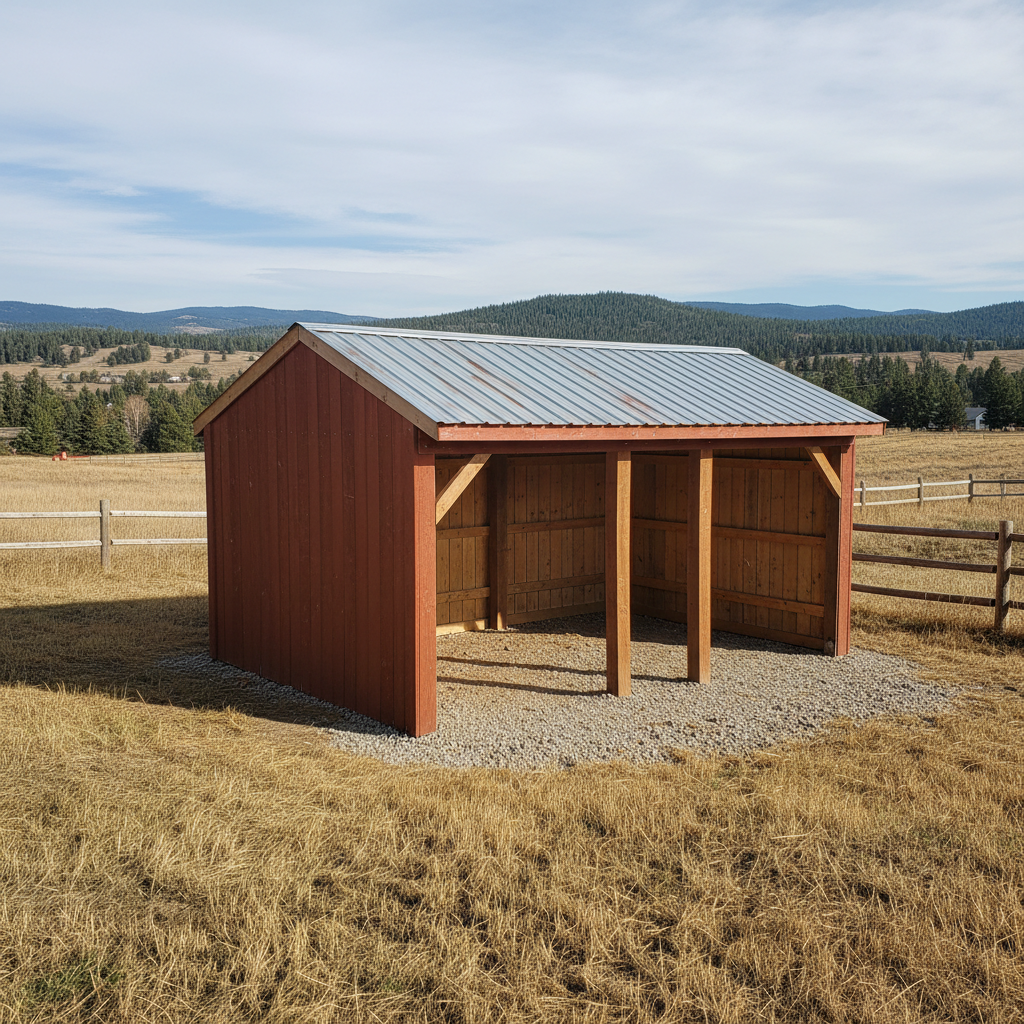
Alright, let's talk about livestock shelters. If you've got animals, you know a good shelter isn't just a luxury; it's essential, especially around Great Falls. We get some serious weather here – those Chinooks are great for a break, but the rest of the winter can be brutal, and our spring thaws bring a whole lot of mud. Your shelter takes a beating, and if you don't stay on top of things, you'll be looking at bigger problems down the road. I've seen it too many times.
Extending the Life of Your Shelter: It's All About Prevention
Think of your shelter like any other investment on your property. You wouldn't ignore your house's roof, right? Same goes for your barn or run-in shed. The goal here is to get as many years out of it as possible, and that starts with good habits.
- Keep Water Away: This is probably the biggest one. Water is the enemy of any structure. Make sure your gutters are clear and downspouts are directing water well away from the foundation. If you don't have gutters, consider adding them. Even a simple drip edge can make a difference. Around here, with our clay soils, proper drainage is non-negotiable. You don't want water pooling at the base of your posts or walls, inviting rot and frost heave.
- Ventilation is Key: Stale, moist air inside a shelter is bad for your animals' health and bad for the building. It encourages mold, mildew, and rot. Make sure you've got adequate vents, and keep them clear. Even in winter, you need some airflow, just enough to exchange the air without creating a draft directly on your animals.
- Protect the Wood: If you've got exposed wood, especially on the exterior, it needs protection. A good quality stain or paint every few years will do wonders. Pay extra attention to the bottom few feet of walls where splashing or animal contact is common.
- Pest Control: Rodents love a warm, dry shelter. They'll chew through wiring, insulation, and even structural wood. Keep feed stored in metal bins, seal up any small holes, and consider a barn cat or regular trapping.
What Regular Maintenance Looks Like
This isn't rocket science, but it does take consistency. You can't just build it and forget it.
- Daily/Weekly Checks: When you're feeding or checking on your animals, take a quick look around. Are there any new holes? Is the roof leaking? Are any boards loose? Is the bedding dry? This quick scan can catch small issues before they become big ones.
- Monthly/Seasonal Deep Dive:
- Roof: Check for loose or missing shingles, torn metal, or sagging spots. After a big windstorm, this is your first priority.
- Walls & Foundation: Look for cracks, bowing, or signs of rot. Check the integrity of posts. Are there any gaps where drafts can get in?
- Doors & Windows: Make sure they open and close properly, latch securely, and aren't letting in drafts or moisture.
- Fencing/Pens: While not strictly part of the shelter, the attached pens are critical. Check for loose posts, broken rails, or sharp edges.
- Cleanliness: Regular mucking out isn't just for animal health; it prevents moisture buildup and keeps pests away from the structure itself.
Warning Signs You Can't Ignore
These are the things that tell you a small problem is becoming a big one, or that something needs immediate attention.
- Sagging Roofline: This is a huge red flag. It could mean structural damage, heavy snow load, or a compromised truss. Don't wait on this.
- Persistent Leaks: A small drip can lead to major rot and mold. Find the source and fix it.
- Bowed Walls or Posts: This indicates a structural issue. It could be foundation problems, rot, or too much pressure from inside.
- Large Cracks in Foundation: Small hairline cracks might be normal, but wide, spreading cracks mean trouble.
- Chewed Wiring: Fire hazard, plain and simple. Get it fixed by a pro.
- Unusual Odors: Beyond normal barn smells, if you're getting strong mildew or mold odors, you've got a moisture problem.
When to Call a Professional
Look, I'm a big believer in DIY when it makes sense. But some jobs are just too big, too dangerous, or too complex for the average homeowner. That's when you call in someone who does this for a living. For things like:
- Major Roof Repair or Replacement: Especially on a larger structure. It's dangerous work and requires specific skills to do right.
- Structural Repairs: If you've got sagging beams, bowed walls, or foundation issues, you need an expert to assess and fix it properly. You don't want a shelter collapsing with animals inside.
- Extensive Rot or Pest Damage: If a large section of your building is compromised, it's often best to have a professional evaluate the extent of the damage and recommend the best course of action.
- Electrical Work: Always, always, always call a licensed electrician for any significant electrical repairs or installations.
We build a lot of sheds and shelters at Custom Sheds Great Falls, and we know what it takes for them to stand up to our Montana weather. Don't let a small issue turn into a costly rebuild. Stay vigilant, do your regular checks, and don't hesitate to call for help when you need it. Your animals – and your wallet – will thank you.