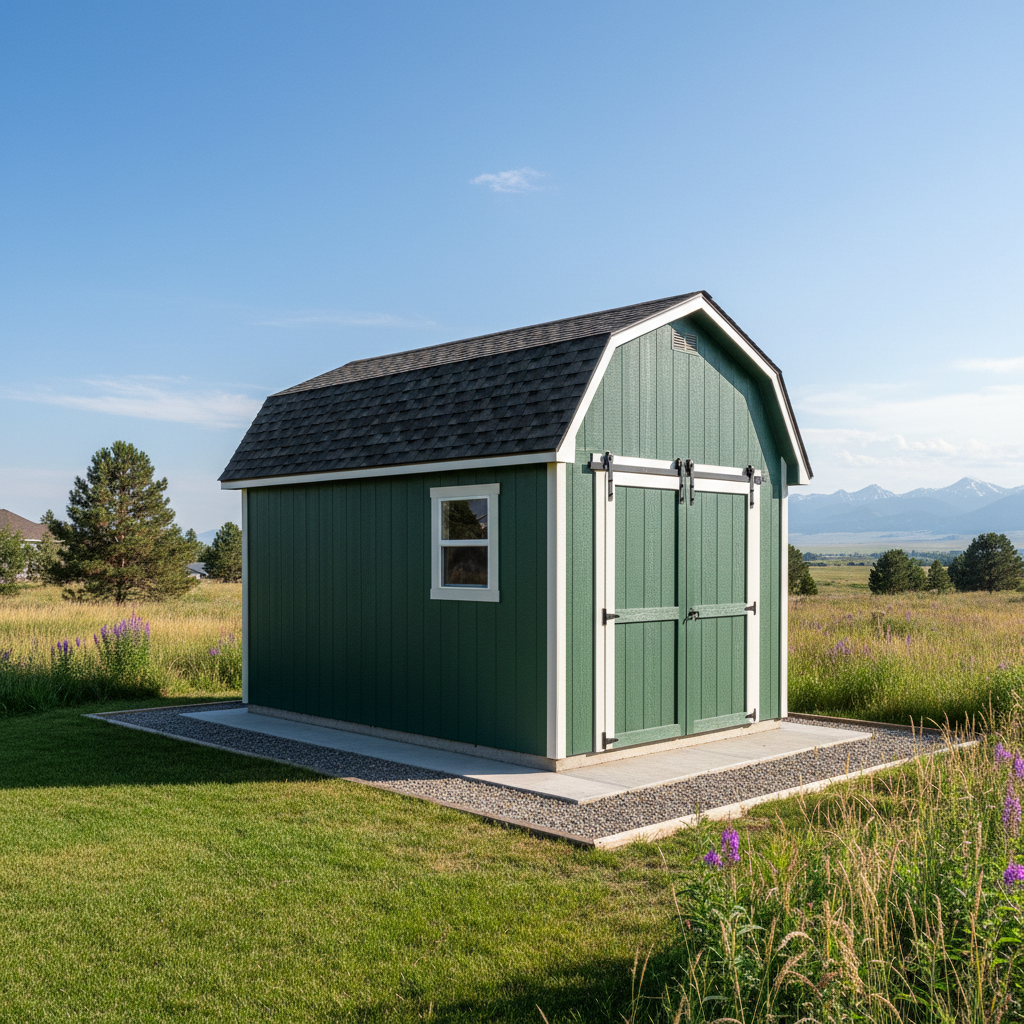
Alright, let's talk sheds. I've been building them here in Great Falls for a good while now, and I've seen just about everything. What really gets me is when folks come to me after they've already made some pretty avoidable mistakes. It's usually because they didn't know what to look for or what questions to ask upfront. So, if you're planning a new storage shed, listen up. Here are some of the biggest blunders I see homeowners make, and how you can steer clear of them.
Underestimating Your Storage Needs
This is probably the most common one. People think, "Oh, I just need a place for the lawnmower and some tools." Then, two years later, they've got bikes, camping gear, holiday decorations, and half their garage overflow spilling out of a shed that's way too small. You'll end up needing another shed, or wishing you'd gone bigger the first time. It's a waste of money and space.
Before you even think about size, make a real list. Go through your garage, your basement, your existing shed, and write down everything you want to store. Don't forget future stuff – maybe you're getting into a new hobby, or the kids are growing and their toys are getting bigger. Think about vertical storage too. Shelves, hooks, pegboards – a taller shed can give you a lot more usable space than a wider, shorter one.
Ignoring Local Permitting & HOA Rules
You might think, "It's just a shed, who cares?" Well, the city of Great Falls cares, and your homeowners' association definitely cares if you've got one. I've seen folks build a beautiful shed only to get a letter from the city saying it's too close to the property line, or that it needed a permit they never got. Then you're stuck either moving it, tearing it down, or paying fines. It's a real pain.
Before you even break ground, make a quick call to the City of Great Falls Planning Department. Ask them about setbacks, size limits, and if you need a building permit for your specific shed project. If you're in an HOA, check their covenants. Some HOAs have strict rules on shed size, color, material, and even placement. A little research upfront saves a lot of headaches later.
Skimping on Quality Materials & Construction
Look, I get it. Everyone wants to save a buck. But when it comes to a shed, going too cheap almost always costs you more in the long run. I've seen sheds that are practically falling apart after a few Montana winters because they were built with flimsy materials or by someone who cut corners. The wind here, especially down by the river, can really test a structure. You don't want your shed roof flying off in a January gale.
Think about the siding, the roofing, the framing. Is it treated lumber? Is the roofing rated for our snow loads? Are the doors going to sag after a year? A well-built shed from Custom Sheds Great Falls, for example, uses quality materials designed to stand up to our climate. It's an investment, not just a purchase. You want something that's going to protect your stuff for decades, not just a few seasons.
Poor Site Preparation
This ties into quality, but it's specific enough to be its own big mistake. You can have the best shed in the world, but if it's sitting on an uneven, poorly drained spot, you're going to have problems. Water pooling around the base leads to rot, shifting foundations, and all sorts of structural issues. Here in Great Falls, with our clay-rich soil in some areas, proper drainage is even more critical.
Make sure the site is level and graded properly so water flows away from the shed, not towards it. A good gravel base or a solid concrete slab is crucial. Don't just plop it down on bare ground and hope for the best. That's a recipe for disaster. A little extra effort in preparing the site will ensure your shed stays dry, stable, and lasts a long, long time.
Not Thinking About Accessibility
Where are you putting this thing? Can you actually get to it easily? Can you get your lawnmower in and out without doing a three-point turn? I've seen sheds tucked away in corners where you can barely open the door, or down a muddy path that's impossible to navigate in the spring thaw. Think about the path to the shed, the swing of the doors, and whether you'll need a ramp.
Consider what you're storing. If it's big, bulky items, you might need wider doors or even double doors. If it's a lot of small stuff, maybe a single door and good shelving is fine. Just picture yourself using the shed regularly. Will it be convenient, or will it be a chore? A well-placed, accessible shed makes your life easier, not harder.
So, there you have it. Don't make these mistakes. Do your homework, plan ahead, and invest in quality. You'll be glad you did when your shed is still standing strong and keeping your stuff safe years down the road.